


Portugal and Spain share a border, but each country has its own way of expressing its culture. Fado in Lisbon is accompanied by the Portuguese guitar and often tells stories centered on saudade, a word usually translated as longing. In Seville, flamenco brings song, dance, and guitar together, with a rhythm that belongs to Andalusia.
We have designed a 15-day trip that follows this contrast, connecting Lisbon and the Algarve with Andalusia’s cultural landmarks, Madrid’s artistic heritage, and the Alentejo’s countryside landscapes. From the Alhambra in Granada to the Prado Museum and Lisbon’s traditional quarters, each destination reveals a different side of the Iberian Peninsula.
Lisbon – Explore the Soul of Fado
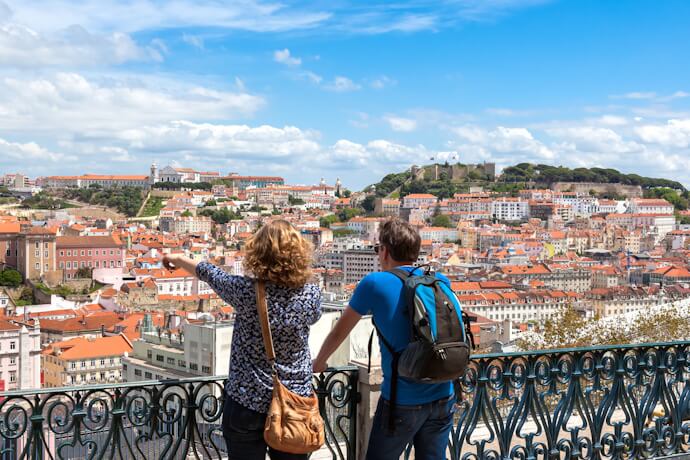
Lisbon welcomes you to the first leg of this tour. Wander the streets of Alfama, take in Commerce Square, and visit the Santa Luzia and São Pedro de Alcântara viewpoints to enjoy the cityscape framed by the Tagus River. Pastries like Pastéis de Belém, traditional codfish dishes, and local wines add to your experience in the capital.
Yet one of the best ways to experience Portuguese culture in Lisbon is through fado. This musical style, recognized by UNESCO, tells stories of love, longing, and everyday life that helped shape the country’s and the city’s identity. A live fado performance is a fitting evening activity in Lisbon, offering a closer connection to a long-standing tradition.
The Algarve – Admire Portugal’s Golden Coast
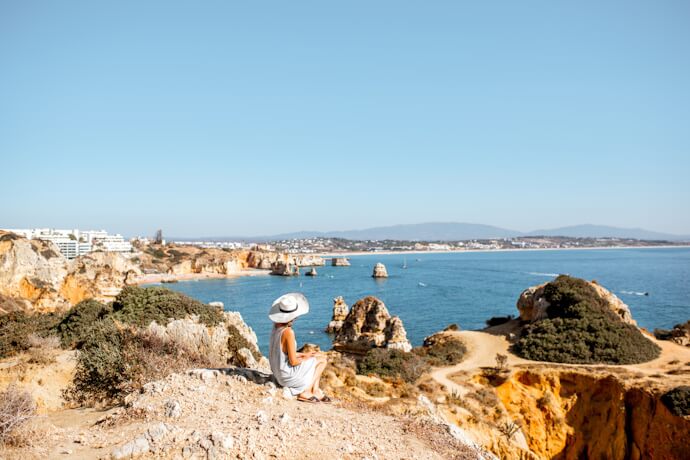
Embrace a change of scenery as the itinerary shifts direction. Set along Portugal’s southern coast, the Algarve brings the sea to the forefront. Coastal towns, beaches, and ocean views make this region a popular place to enjoy the landscape. Ponta da Piedade in Lagos, with rock formations rising from the Atlantic, and Praia da Marinha framed by limestone cliffs, are two regional highlights.
Beyond its beaches, the Algarve invites you to explore traditional fishing towns and indulge in seafood by the waterfront. This stop offers a break from Lisbon’s cultural attractions and a transition into Andalusia’s cities.
Seville – Discover the Heart of Flamenco
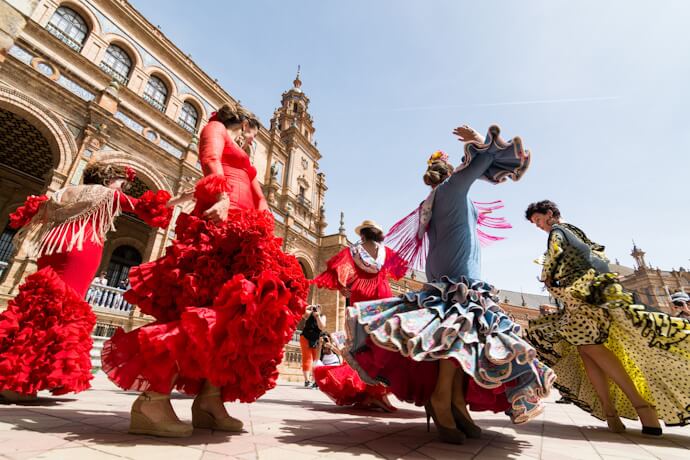
Crossing into Spain, the trip reaches Seville, the capital of Andalusia. The region’s cultural heritage unfolds through landmarks like the Royal Alcázar, the Gothic Cathedral, and the narrow streets of Santa Cruz, the city’s former Jewish Quarter. Once you’ve explored Seville’s highlights, take time to visit a traditional tapas bar and sample local specialties such as salmorejo (a chilled tomato and bread soup).
Flamenco in Seville is a central part of the city’s culture. Recognized by UNESCO, this art form is defined by a combination of singing, guitar, and dance. Unlike Lisbon’s fado, flamenco includes footwork and handclapping. Our itinerary includes a Seville flamenco show at a tablao (a small venue for flamenco performances), bringing travelers closer to a tradition that originated in Andalusia.

Córdoba – Uncover Multicultural Heritage
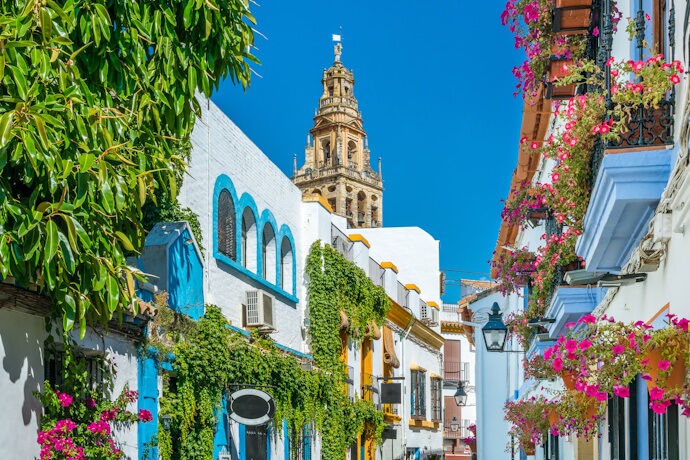
Andalusia’s history continues in Córdoba. In 929 A.D., the city became the capital of an Islamic caliphate, and it also has Christian and Jewish influences. The UNESCO-listed Mosque-Cathedral, known for its red-and-white arches, is the city’s main landmark. The former mosque was converted into a Christian cathedral in 1236, with a Renaissance structure added inside it centuries later.
A stroll through Córdoba’s historic Jewish Quarter leads along whitewashed streets and past courtyards. Many of these patios are still decorated with flowers by residents, which keeps a local tradition alive. It’s another way to appreciate the city’s cultural heritage.
Ronda – Take in the Views Above El Tajo
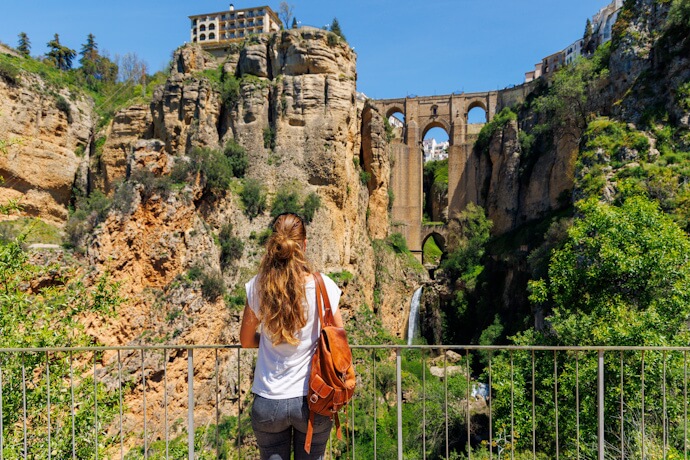
Perched above the El Tajo gorge, Ronda introduces one of Andalusia’s best-known landscapes. The Puente Nuevo, an 18th-century stone bridge, connects the old and new parts of the city, rising nearly 100 meters above the Guadalevín River. At the Alameda del Tajo viewpoint, you can see the mountains and valleys that surround Ronda.
The city’s historic center is also worth exploring. Whitewashed houses, typical of Andalusian architecture, line the squares and cobbled streets, where centuries-old buildings still shape local life. Ronda’s setting and smaller scale contrast with Seville and Córdoba, the larger cities often included on an Andalusia road trip.
Granada – Marvel at the Alhambra’s Legacy
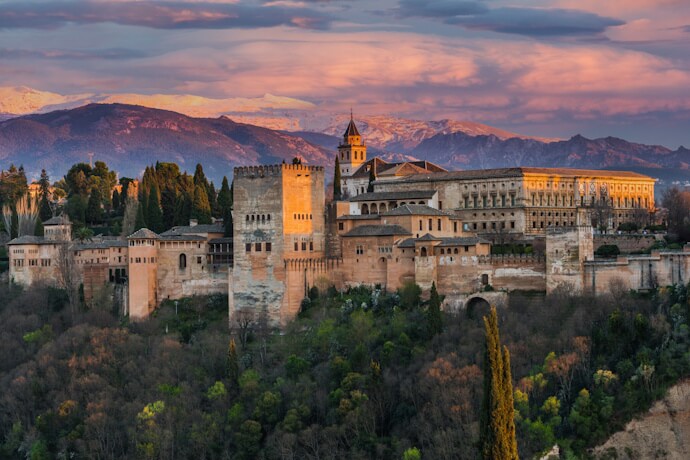
Few places capture Spain’s Moorish heritage quite like Granada. About 111 miles from Ronda, the city is known for the UNESCO-listed Alhambra, a palace and fortress complex that was once home to the Nasrid rulers. It is a prime example of Islamic architecture in Spain, with stucco carvings, tiles, courtyards, and the Generalife gardens.
The city’s Islamic past is also visible in the Albaicín neighborhood, shaped by winding streets and traditional houses. From the nearby Mirador de San Nicolás, the Alhambra stands against the Sierra Nevada mountains, creating one of Granada’s most memorable views.
Madrid – See Art and Savor Tapas

After Andalusia’s palaces and landscapes, Madrid brings the trip to Spain’s capital. The city combines avenues like Gran Vía, landmarks like the Royal Palace and Plaza Mayor, and world-renowned museums. The Prado Museum stands out for art lovers, with masterpieces by Velázquez, Goya, and other European painters.
Food is also part of Madrid’s culture. Our itinerary includes a tapas tour through the historic center, where you can sample Spanish specialties, from croquetas to jamón ibérico. It introduces Madrid’s social traditions and offers a change of pace after the Andalusian cities.
Alentejo – Get to Know Portugal's Historic Heartland
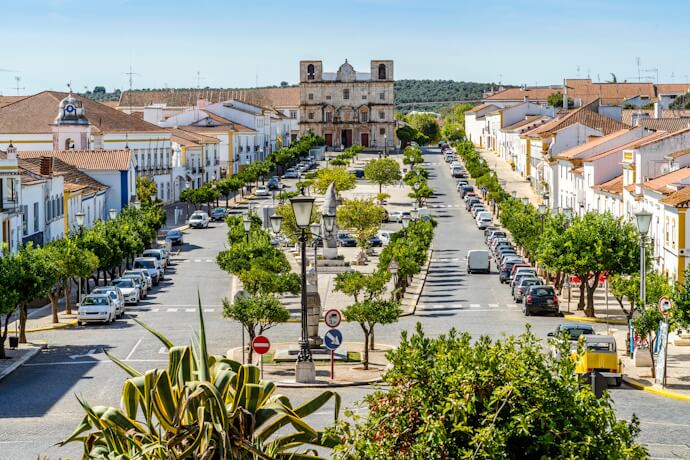
As the final days of this 15-day trip approach, the Alentejo welcomes you back to Portugal. Évora offers a welcome contrast to Madrid’s bustling streets, inviting you to explore the region’s rolling plains, olive groves, and ancient Roman roots. This city’s UNESCO-listed center includes a Roman Temple, a medieval cathedral, and a central square.
The Alentejo also includes the hilltop village of Monsaraz, Vila Viçosa, known for its marble, and Estremoz, with its castle. Regional cuisine is part of the visit as well. Bread-based dishes cooked with olive oil, such as açorda, are typical of the area. Enjoy a part of Portugal that moves at a slower pace.
Arrábida – Enjoy a Scenic Return to Lisbon
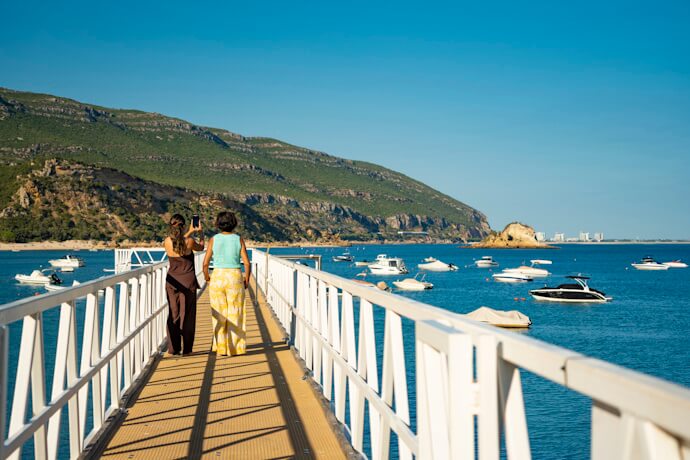
Before returning to Lisbon, the trip takes one final turn. Between Setúbal and Sesimbra, the Arrábida Natural Park reveals a compelling natural landscape of forested hills descending toward sheltered bays and turquoise waters. Sheltered beaches such as Portinho da Arrábida are part of some of Portugal’s most striking scenery.
About 1 hour from Lisbon, Arrábida stands as a peaceful escape with panoramic ocean views. From the rural plains of the Alentejo to these dramatic coastal landscapes, this final stop is a reminder of Portugal’s natural diversity.
Two Countries, Countless Experiences
From Lisbon’s fado heritage to the energy of flamenco in Seville, Portugal and Spain offer complementary identities that make this trip so rewarding. At the Alhambra, Granada’s Moorish heritage comes to life, while Madrid’s art venues and Portugal’s coastal and rural landscapes add even more variety. Together, these experiences reveal the Iberian Peninsula’s cultural richness.
With TourTailors’ 15-day Portugal and Andalusia tour, you can experience these highlights through a thoughtfully planned trip. Let us help you explore this itinerary and define your preferences for your next trip to Europe.



