


In Porto, food is closely tied to the city's history, traditions, and everyday life. Porto cuisine brings together recipes passed down through generations, dishes inspired by other cultures, and ingredients from the nearby Atlantic coast and Douro Valley.
From the city's famous francesinha to traditional cod recipes and desserts with unusual ingredients, each specialty has a story worth knowing. The experience extends beyond Porto itself, with fishing communities, historic towns, and vineyards all within reach. If you're wondering what to eat in Porto, this guide will help you discover the local specialties and places to visit on your next trip.
1. Francesinha: Porto's Most Famous Sandwich
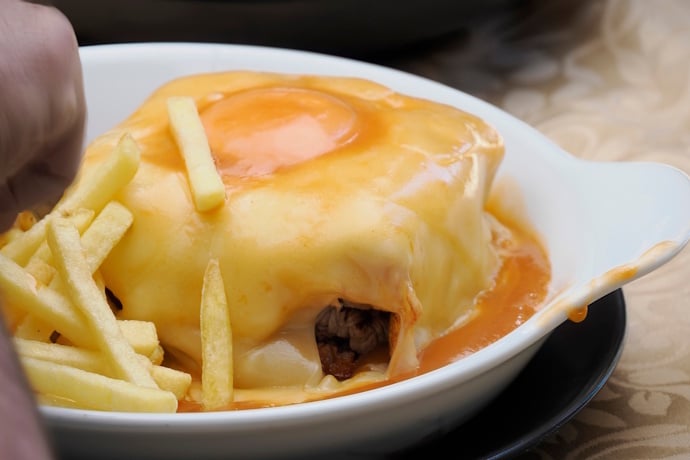
A sandwich covered in melted cheese and a rich, slightly spicy sauce might not sound particularly Portuguese, but the francesinha has become one of Porto's signature dishes. Filled with layers of steak, sausage, and ham, and usually served with fries and sometimes topped with a fried egg, this hearty sandwich is a favorite among locals and visitors alike. Many restaurants have their own take on the recipe, with some keeping their sauce recipes a closely guarded secret.
The francesinha is believed to have originated in the 1950s, inspired by the French croque-monsieur. What began as an adaptation of a French sandwich became a symbol of Porto's food culture. To try this traditional meal during your visit, look for a local cervejaria, where it's often a house specialty. Ask a local where to find the best one, and you might spark a lively debate.
2. Tripas à Moda do Porto: The Dish Behind the City's Nickname
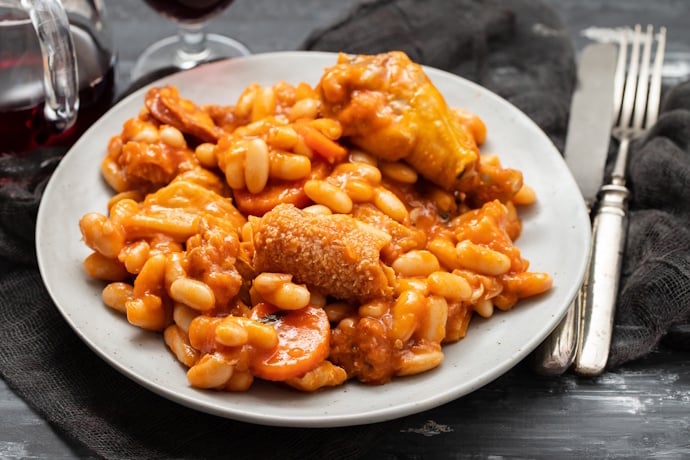
Long before the francesinha became a local favorite, Porto was already known for another traditional dish: Tripas à Moda do Porto. Made with tripe, white beans, sausages, and different cuts of meat, this hearty stew has been part of the city's culinary traditions for generations. It is also closely associated with the nickname Tripeiros, which Porto's inhabitants still proudly use today.
One of the best-known stories about the dish dates back to 1415, when Portuguese ships were preparing to sail to Ceuta. According to local legend, Porto's inhabitants supplied the expedition with their best meat, keeping only the tripe for themselves. Whether or not the story is true, the legend has become an important part of Porto's cultural identity and its inhabitants' connection to the past. Today, Tripas à Moda do Porto is still served in traditional restaurants, particularly those specializing in regional cuisine. If you're interested in trying this local specialty, a traditional tasca is a good place to look.
3. Bacalhau à Gomes de Sá: A Porto Recipe That Traveled Across Portugal
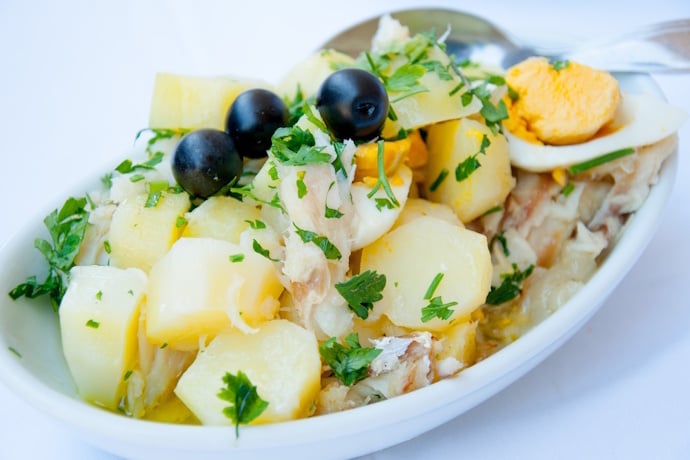
While meat features prominently in Porto's traditional cuisine, fish also has an important place on local menus, particularly salted cod. Among the many ways of preparing bacalhau, Bacalhau à Gomes de Sá has a special connection to Porto. Made with salted cod, potatoes, onions, olive oil, boiled eggs, and black olives, this dish originated in the city before becoming popular throughout Portugal.
The recipe takes its name from José Luís Gomes de Sá Júnior, a 19th-century cod merchant from Porto who is credited with creating it. Today, it remains a familiar part of Portuguese cuisine. During your visit, look for this specialty in a local restaurant, perhaps after a morning exploring Porto's historic center. If you enjoy fish and seafood, the nearby Atlantic coast offers more opportunities to experience the region's culinary traditions.

4. Petiscos and Seafood: The Everyday Side of Porto's Cuisine
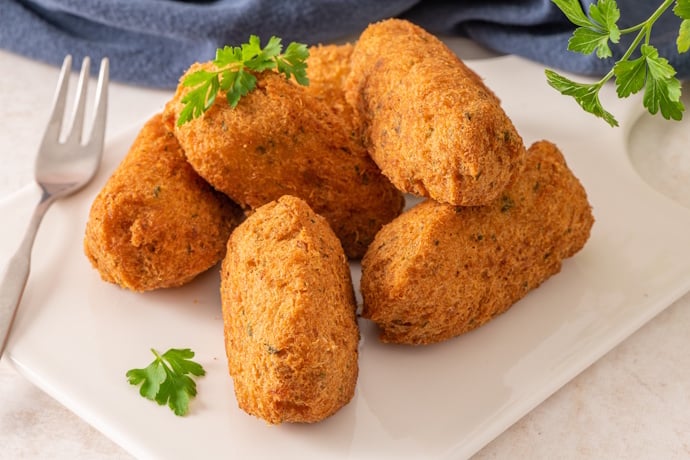
Beyond traditional main courses, Porto offers plenty of smaller dishes and fresh seafood worth trying. In local tascas, traditional neighborhood eateries, you'll often find petiscos, small portions of food commonly shared around the table. Ordering a few different dishes is part of the experience, bringing people together over food and conversation. Popular choices include pastéis de bacalhau, golden cod fritters with a crispy exterior and soft filling. Another northern Portuguese favorite is caldo verde, a comforting soup made with potatoes, finely sliced greens, and often chouriço.
For fresh fish, head to Matosinhos, a coastal town known for its fishing heritage and seafood restaurants. Grilled sardines, sea bass, and other daily catches are popular choices, often prepared simply with olive oil and salt. A meal here can also be combined with a stroll along the waterfront.
5. Pudim Abade de Priscos: A Sweet Surprise from Braga

Porto isn't the only place in northern Portugal with food traditions worth discovering. In nearby Braga, one of the region's most famous desserts has a rather unexpected ingredient. Pudim Abade de Priscos is a rich caramel pudding made with egg yolks, sugar, Port wine, and pork fat, known locally as toucinho. Despite this unusual combination, the result is a smooth pudding with a distinctive flavor that may surprise anyone trying it for the first time.
The dessert takes its name from the Abade de Priscos, a 19th-century Portuguese priest known for his culinary skills. His reputation extended well beyond Braga, and his famous recipe remains an example of Portugal's rich dessert-making traditions. Braga is also worth considering for a day trip from Porto, with its historic center, churches, and the impressive Bom Jesus do Monte sanctuary. While there, look for this traditional pudding on local restaurant menus.
6. Port Wine: From the Douro Vineyards to Porto's Cellars

Porto's food traditions would be incomplete without its famous Port wine. Its origins lie in the Douro Valley, where vineyards cover the hillsides above the river. For centuries, wine from this region was transported downstream to Vila Nova de Gaia, across the river from Porto, where it was stored, aged, and prepared for export. This trade helped shape the history of both cities and established Port wine's reputation far beyond Portugal.
Today, the historic wine cellars of Vila Nova de Gaia are among the area's most popular attractions. A Port wine tasting in Porto offers the opportunity to sample different styles, including Ruby, Tawny, and White Port, while learning about the region's winemaking traditions. These wines also have a place at the table, with Tawny often paired with desserts and certain cheeses, while White Port is commonly enjoyed as an aperitif. Consider visiting one of Gaia's traditional cellars to learn more about the history and production of Portugal's most famous fortified wine.
7. Where to Experience Porto's Food Culture
Mercado do Bolhão is a good place to discover Porto's local ingredients and food traditions. Its stalls sell fresh produce, fish, meat, cheeses, and other regional products, offering a glimpse into the city's everyday food culture. The surrounding streets are also worth exploring, with traditional tascas and cervejarias where visitors can try some of Porto's best-known dishes.
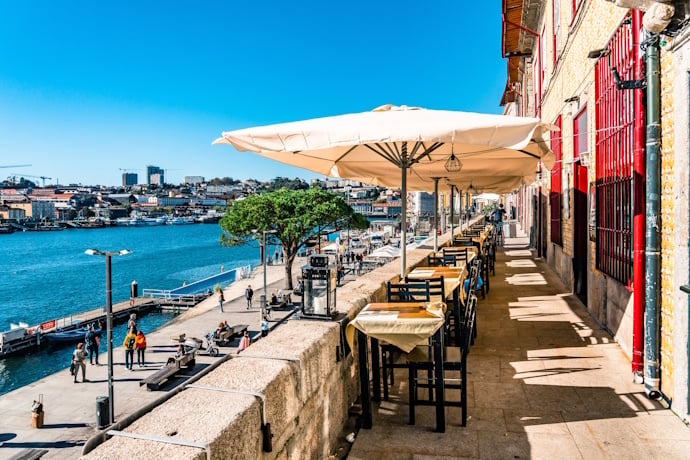
The Ribeira district is another popular area for dining, particularly for its riverside setting. Beyond the busiest waterfront terraces, you'll find more restaurants tucked into the surrounding streets. Across the Douro, Vila Nova de Gaia offers another side of the region's food and wine culture through its historic Port wine cellars and tastings.
A Taste of Porto's Identity
Porto's cuisine offers more than memorable meals. From the famous francesinha to traditional recipes passed down through generations, each dish reveals something about the city's history and its people. With TourTailors, you can include these culinary experiences in a tailor-made trip through Porto and northern Portugal, combining local flavors with the region's cultural heritage and beautiful landscapes. Plan your personalized trip and experience the best of this fascinating region.



