


What if some of Portugal’s greatest highlights were all within reach without ever getting behind the wheel? Come with us as we travel through Portugal by train, moving from historic cities to riverfront neighborhoods, wine country, and centuries-old landmarks while watching the scenery change along the way. If you are considering the best time to visit Portugal, fall brings milder temperatures, a gentler pace after summer, and ideal conditions for walking, lingering over local food, and enjoying the country’s wine regions.
From Lisbon to Porto and onward to the Alentejo, you can build a varied and rewarding trip around the railway, and see just how much Portugal has to offer along the way.
Start in Lisbon: History, Neighborhoods and the Tagus
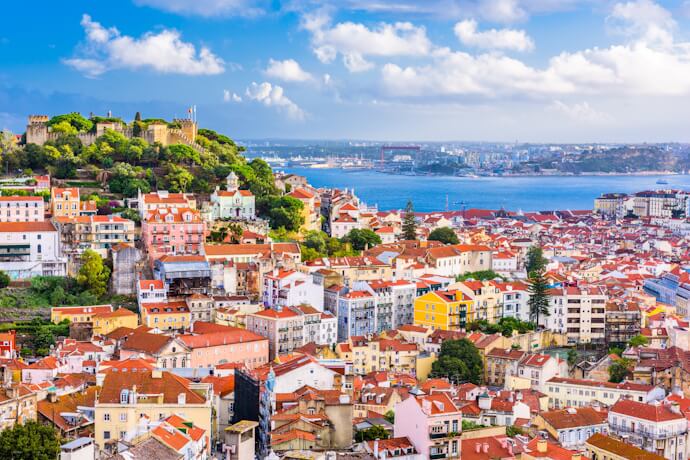
Begin in Lisbon, where many of Portugal’s most recognizable sights are gathered within a city that is easy to discover neighborhood by neighborhood. Wander through the narrow streets of Alfama, follow the elegant squares and avenues of Baixa, and head west to Belém for monuments tied to Portugal’s maritime past. Along the way, tiled facades, hilltop viewpoints, and the Tagus River shape the character of the capital.
Give yourself time to look beyond the landmarks too. Stop for a coffee in a local square, listen to Fado in the evening, and take in the city from one of its miradouros as the light changes over the rooftops. Lisbon is a strong introduction to the country, bringing history, architecture, food, and everyday city life together before you continue north.
Sintra by Train: An Easy Escape from the Capital
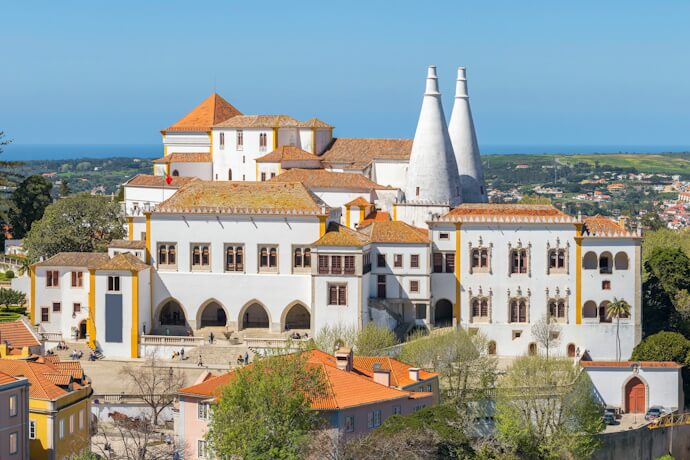
Lisbon also offers an easy way to add a completely different setting to your trip. A Sintra day trip from Lisbon takes you from the capital to a town of wooded hills, elaborate palaces, and centuries of royal history, all without changing the way you travel. Trains run directly from Rossio Station to Sintra, making it a natural extension of a stay in Lisbon.
Once there, you can choose among landmarks such as Pena Palace, the Moorish Castle, the National Palace of Sintra, and Quinta da Regaleira, while leaving time to wander through the historic center. The contrast is part of the appeal: after Lisbon’s river views and urban neighborhoods, Sintra brings greener landscapes, grand estates, and a more romantic setting before you return to the city.
Lisbon to Porto: Let the Landscape Set the Pace
Leaving Lisbon behind, the Lisbon to Porto train gives you time to simply settle in and watch the country shift outside the window. As the journey heads north, the scenery gradually changes, offering a first sense of how varied Portugal can feel from one region to the next.
There is something particularly appealing about letting the landscape set the pace. You can read, talk, plan your first walk in Porto, or simply follow the changing light and countryside along the way. By the time you reach the north, the atmosphere feels noticeably different, setting the scene for a new chapter of the trip.
Porto: River Views, Port Wine and Northern Portugal
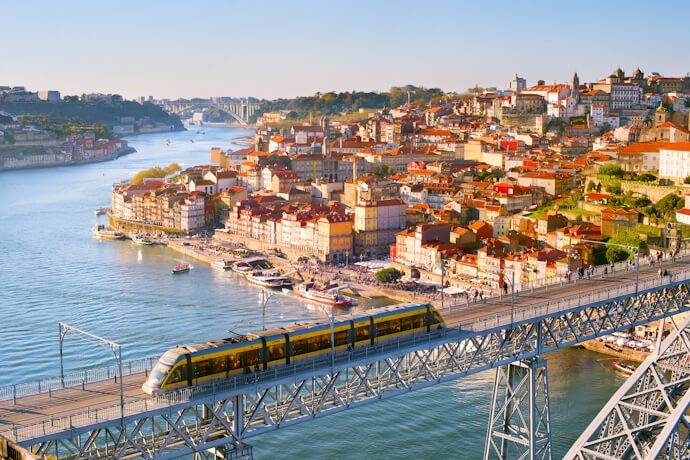
Porto immediately brings a different feel to the trip. Follow its steep streets down toward Ribeira, where colorful facades line the Douro and the city opens onto one of its most recognizable views. Across the river, Vila Nova de Gaia adds another essential part of Porto’s story, with historic Port wine cellars overlooking the waterfront.
Take time to cross the river, walk along both banks, and see how strongly the Douro shapes the city’s identity. Porto’s granite buildings, tiled churches, traditional cafés, and wine heritage give the north a character of its own, while the cooler fall atmosphere makes long walks and a relaxed tasting especially appealing.

Into the Douro Valley: Take the Train to Pinhão
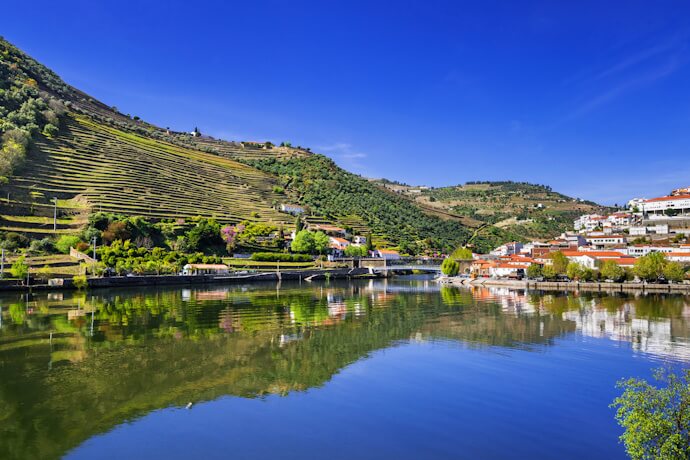
From Porto, take the railway deeper into northern Portugal and let the Douro become the focus of the day. Traveling through the Douro Valley by train is one of those occasions when the route matters almost as much as the destination, with the line gradually drawing closer to the river as vineyards and steep hillsides begin to dominate the view.
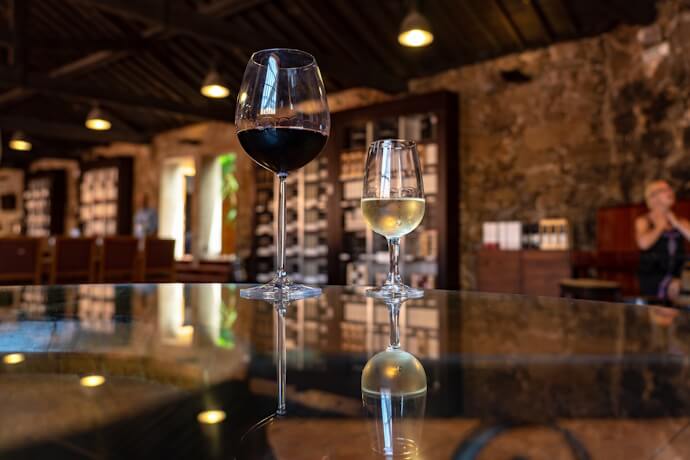
Pinhão makes a natural stop, placing you in the heart of one of Portugal’s best-known wine regions. Spend time by the river, admire the surrounding vineyard terraces, and add a river cruise or a winery visit to understand the traditions behind Douro and Port wines. In fall, the changing colors across the slopes make this one of the most atmospheric parts of the trip.
From Porto to the Alentejo: Seeing the Country Change

As you leave Porto and head south, another side of Portugal begins to unfold. The greener landscapes of the north gradually give way to wider horizons, vineyards, cork oaks, and the warmer tones of the Alentejo, creating one of the clearest contrasts in the entire trip.
This change is part of what makes the route so rewarding. In a single Portugal itinerary, you can move from the Douro and the architecture of Porto to a region known for whitewashed towns, open countryside, and a slower rhythm of life. By the time you reach Évora, the setting feels completely different, ready to introduce another chapter of Portuguese history and culture.
Évora: Portugal’s History on Foot

Évora brings the trip to a more intimate scale. Its UNESCO-listed historic center is compact enough to discover on foot, yet every few streets seem to reveal another layer of the city’s past. Walk from the Roman Temple to the Cathedral, continue through whitewashed streets and quiet squares, and take time to notice the details that give the Alentejo its distinctive character.
Beyond the monuments, Évora is also a place to slow down. Stop for a traditional meal, sample local wines, and let the city unfold without rushing between sights. After Lisbon and Porto, its calmer rhythm and deep sense of history add another dimension to the trip and show just how varied Portugal can feel within a relatively short distance.
Back to Lisbon: Completing the Circle
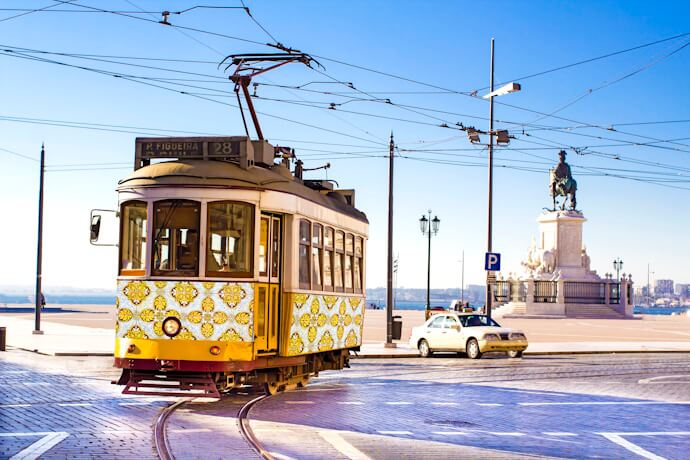
From Évora, return to Lisbon and bring the route full circle. After the open landscapes and quieter pace of the Alentejo, the capital feels familiar again, but you now see it with a wider sense of how different each region can be.
Use this final stop to revisit a favorite neighborhood, take a tram ride, fit in a museum you missed, have another pastel de nata, or simply spend a little more time by the Tagus before heading home. Ending where the trip began gives the itinerary a natural sense of completion while keeping the final days relaxed and easy to enjoy.
What You Gain by Traveling Portugal by Train

Train travel brings its own rhythm to a trip through Portugal. Between destinations, you can settle into your seat, watch towns and countryside pass outside the window, and let each new region reveal itself gradually. A route such as the Lisbon to Porto train becomes more than a transfer between two cities; it gives you time to slow down and appreciate the distance you are covering.
This style of travel works particularly well if you are visiting Portugal for the first time, traveling as a couple, looking for a comfortable option as a senior traveler, or simply drawn to culture, food, and centrally located stays. With major sights often within walking distance once you arrive, each stop can feel both independent and easy to navigate, while the train adds a little of the romance of classic European travel along the way.
A Different Kind of Portugal Road Trip — Without the Road Trip
From the Lisbon to Porto train to the vineyards of the Douro and the historic streets of Évora, this route shows how much of Portugal can unfold by rail. If you are ready to see the country this way, we at TourTailors can design a tailor-made trip around the places, experiences, and pace that suit you best. Contact us!