

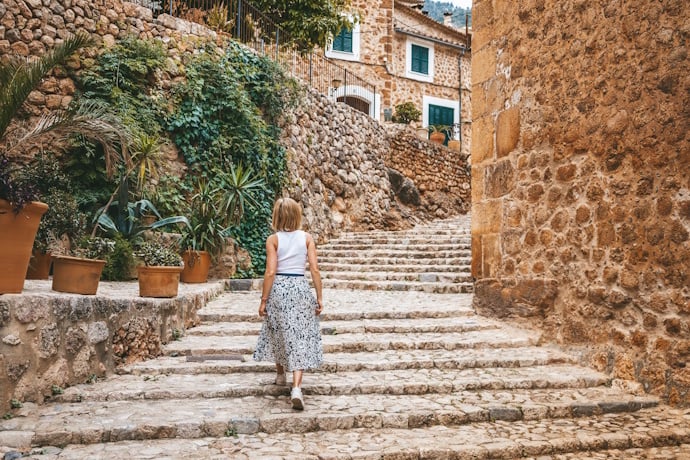
Ask a traveler what comes to mind when they hear “Mallorca,” and the answer will most likely be: beaches. The golden sand and warm Mediterranean weather have earned this Balearic Island its reputation. This is just a fraction of what Mallorca offers. Venture inland and spend a morning in one of the Tramuntana villages. Shopkeepers stop to talk, tables at the local café stay full well past breakfast, and the road out of town curves so often that it forces you to slow down and enjoy the views. This pace is easy to miss if you stick to the coast.
This guide was designed to help you look beyond the famed Mallorca beaches, with time to wander, taste, and fit in unplanned detours. Here, a slower pace is the whole point.
Mallorca Beyond the Beaches
Every year Mallorca beckons visitors from across the globe to dip in its clear Mediterranean waters along the east and southwest coasts (and rightly so). But Mallorca, Spain, has an interior that tells a different story worth unraveling.
Stone farmhouses, olive groves and almond orchards cover the central plain, while the Serra de Tramuntana mountains rise along the northwest coast, inviting you to discover small villages like Deià and Valldemossa. Add in Palma's old town and a recognized wine region, and you will easily have a list of things to do in Mallorca that have nothing to do with a beach towel. Exploring both the coast and inland will give you a fuller picture of how Mallorcans actually live.
Start by Slowing Down in Palma
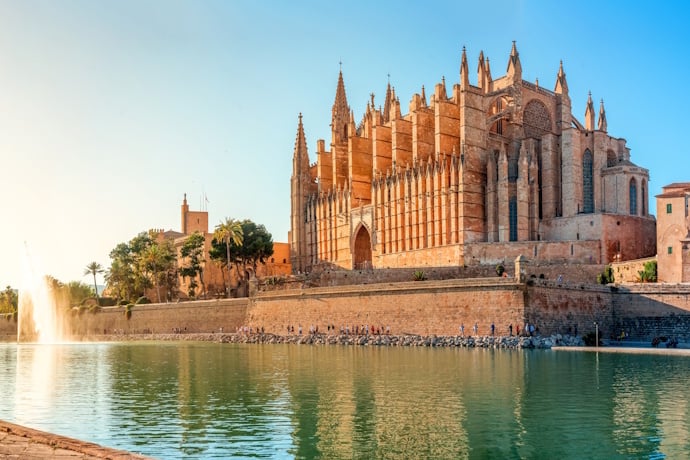
Palma de Mallorca, the island's seaside capital, rewards those who walk. La Seu, a Gothic cathedral, stands out with its centuries of history best appreciated from the Parc de la Mar, a public waterfront and the perfect place to start your on-foot exploration of the city. Follow with a walk along the streets, leading past the stone Almudaina Palace, once a Moorish fortress, into Passeig del Born, a tree-lined boulevard that connects the historic center with the modern part of the city.
For the morning, you can build your itinerary around two markets, Mercat de l'Olivar for fresh produce and seafood, and the smaller Santa Catalina market, surrounded by cafés that stay busy well into the afternoon. All it requires is flexibility and curiosity.
See the Island from a Different Perspective
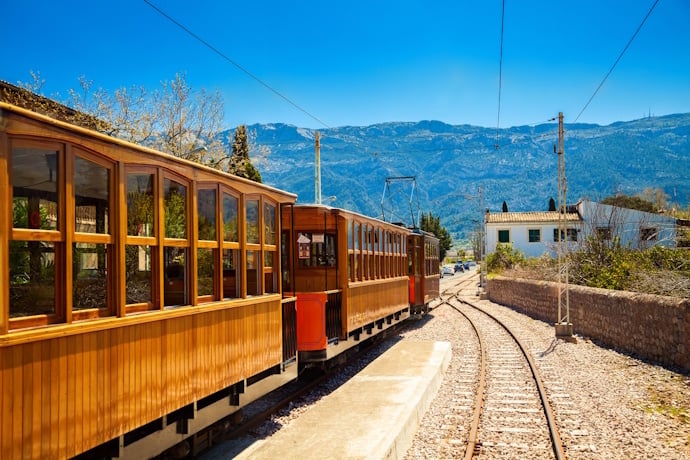
A different way to see Mallorca’s mountains is to ride the Ferrocarril de Sóller, a historic train that offers one of the oldest ways to explore the region. The narrow-gauge wooden locomotive has run between Palma de Mallorca and Sóller since 1912, climbing through the Serra de Tramuntana on a route of about 17 miles.
Upon arrival, you can hop on a vintage tram to continue your descent into Port de Sóller and the lively harbor area. This is a slower way to cover ground with views that unfold gradually.
Taste Mallorca
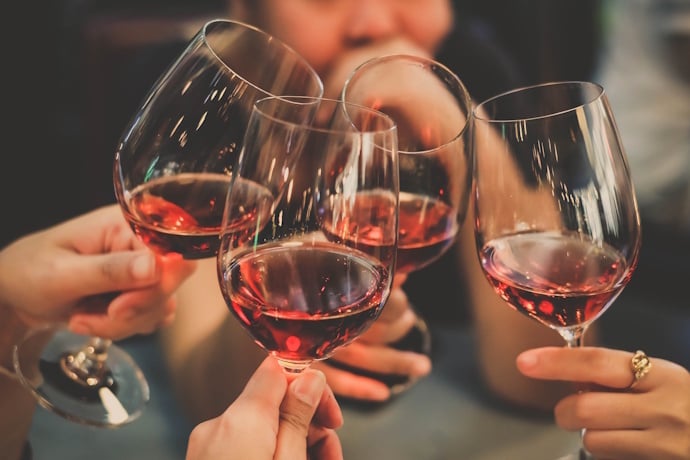
Among the top things to do in Mallorca, an afternoon in the island’s wine country ranks high (especially if you enjoy pairing a good glass of wine with the landscape it came from). Binissalem, Santa Maria del Camí, Consell, Sencelles, and Santa Eugènia are among the locations worth considering adding to your itinerary. Many of the family-run wineries in the region offer tastings by appointment, often with local cheese, olives, and bread included.
Yet, wine is only a small part of Mallorca’s gastronomic table. On your food outings, you will most likely encounter “sobreassada,” a cured, paprika-spiced pork sausage that shows up in a wide range of dishes, from tapas to traditional stews. If you’re craving something sweet, then ensaïmada is worth seeking out. This coiled pastry dusted with powdered sugar is a staple in a Mallorcan breakfast.
Make Time for Nature
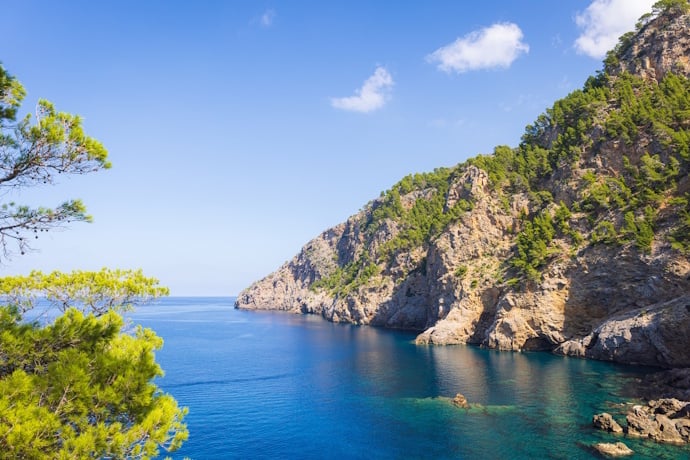
After exploring Palma de Mallorca, boarding the train to Sóller, and tasting the local food, it is time to explore this Spanish destination's natural beauty. Named a UNESCO World Heritage Cultural Landscape in 2011, the Serra de Tramuntana is shaped by dry-stone walls and water channels built into the mountainside. Puig Major, the range's highest point at 1,436 meters, is closed as a military site, but there are well-marked trails around Puig de Massanella, Sóller and Valldemossa open to hikers. Inland, the Coves de Campanet make for a cool escape on a hot day, with stalactite formations formed over thousands of years.
Closer to nature and away from the bigger cities, you can enjoy a side of Mallorca that is largely overlooked by visitors.
Leave Room for Unplanned Moments
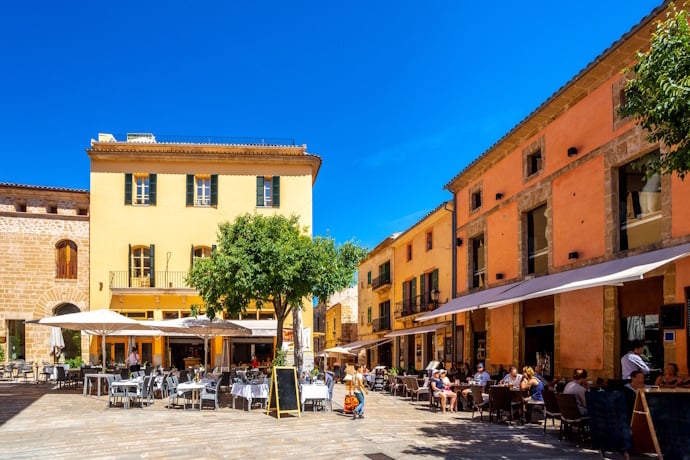
A scenic drive, long lunches, or a last-minute visit to a secluded location…Some of Mallorca’s best moments can happen entirely off the itinerary. Instead of driving to the desired location directly, you can opt to take, for example, the MA-10 to enjoy the vistas from cliffside viewpoints between Valldemossa and Deià.
Spontaneity can also mean a market visited on a whim or detouring to an overlooked destination. Small towns like Fornalutx, with stone houses and citrus terraces, reward an hour of wandering as much as any scheduled stop. So, leaving gaps in the plan is part of what makes slow travel in Mallorca work.
A Relaxing Way to Experience Mallorca!
Mallorca makes a strong case for slowing down. Beyond the coast, its beaches, and popular resorts, a new side of the island surfaces: one of gastronomic, natural, and cultural value. From Palma’s old town streets and Gothic cathedral to sprawling vineyards, and Tramuntana’s mountain trails, the rhythm shifts and the local lifestyle invites you to explore in a different way.
Our Mallorca tailor-made and self-guided trip can be the starting point for seeing this side of the island through a well-planned route with enough flexibility to make each day your own. Contact us, so we can start shaping your Mallorca itinerary around your interests and preferred pace.