

France is often associated with iconic sights, such as the Eiffel Tower, lavender fields, grand châteaux, and world-famous cuisine. But beyond these familiar images lies a country full of small surprises, local quirks, and deeply rooted traditions that reveal themselves slowly, often when you least expect them.
These interesting facts about France show how rich and layered the destination truly is. From village life to food rituals and everyday curiosities, France rewards travelers who enjoy looking a little closer. Here are ten fun, culture-rich facts that show how France goes far beyond its postcards and why it’s such a joy to explore with curiosity.
1 - An Official List Of “The Most Beautiful Villages”
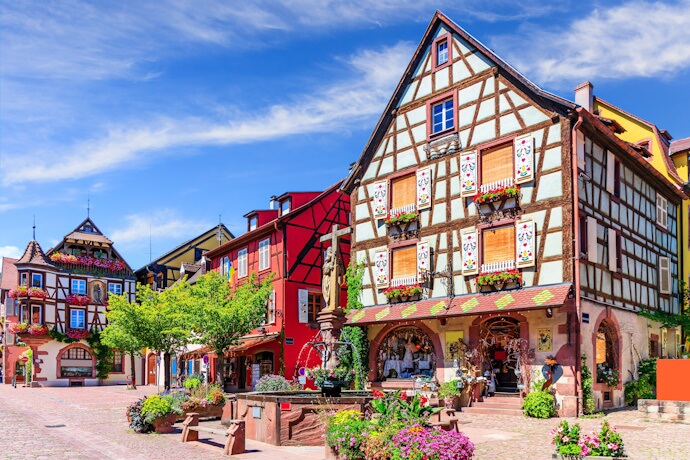
France values its rural heritage so deeply that it created an official label for the most beautiful villages in France, called Les Plus Beaux Villages de France. This designation is reserved for small places that meet strict criteria for heritage, architecture, and preservation.
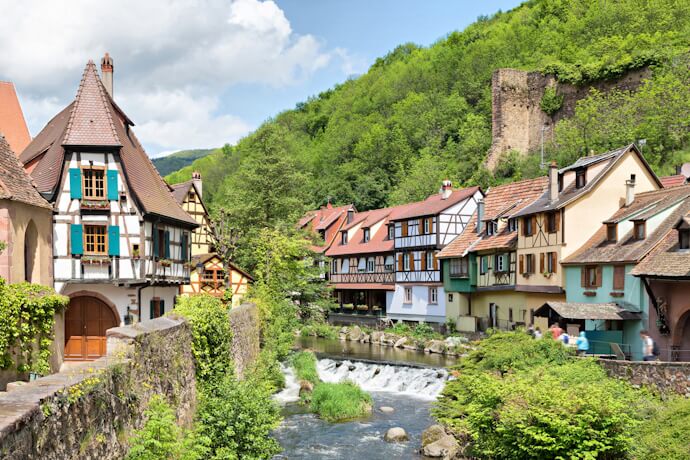
Two wonderful examples are Riquewihr in Alsace, with its storybook half-timbered houses and vineyards at the edge of town, and Saint Cirq Lapopie in the Lot, perched above the river. Many of these villages sit quietly in the countryside, away from the big-name routes, so travelers often discover them by surprise and instantly wish to spend more time. Visiting these villages offers a glimpse into the slower rhythms of life and shows just how deeply France values its rural heritage.
2 - More Roundabouts Than Any Other Country In Europe
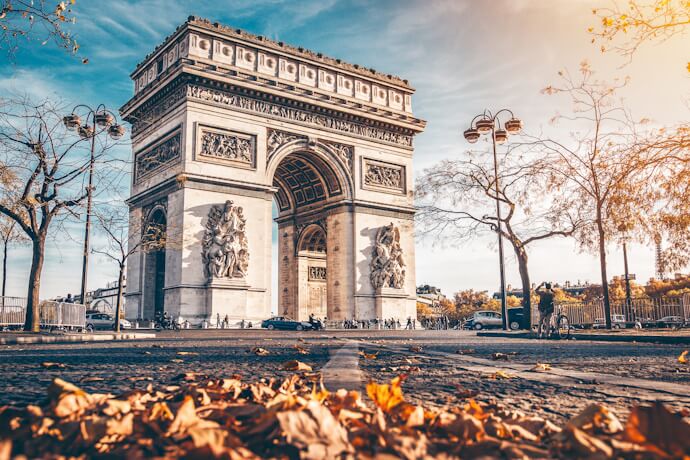
If you have ever driven in France, you have likely noticed the abundance of roundabouts! France has a lot of them, and it quickly becomes part of the road-trip experience. You will spot them everywhere, from busy suburbs to sleepy villages where the traffic feels politely theoretical.
What makes them fun is that many are decorated like tiny outdoor exhibitions. One might feature a sculpture celebrating a local product, another a fountain, a vineyard motif, or a symbol of the town’s history. Some even change decorations for events or seasons. The result? You start paying attention. It’s a surprisingly charming reminder that in France, even infrastructure can carry local identity, and make the drive more memorable.
3 - The French Take Food So Seriously, It’s Protected By UNESCO
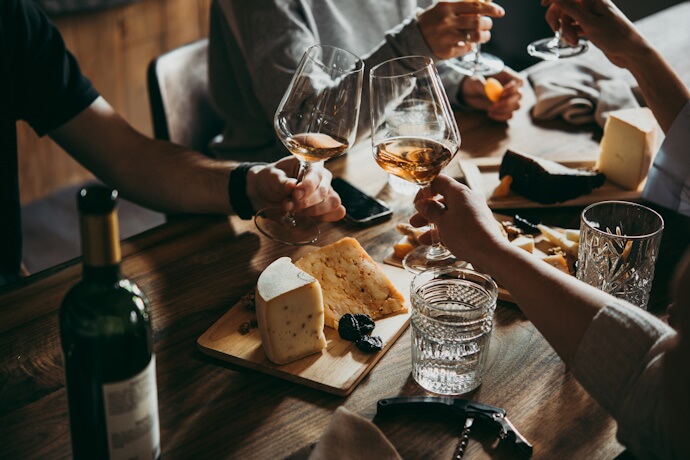
France’s love of food goes far beyond recipes. In 2010, UNESCO inscribed the “gastronomic meal of the French” as UNESCO Intangible Heritage, celebrating the full ritual of eating together. It’s the choreography: an apéritif to begin, a beautifully set table, a sequence of courses (often finishing with cheese), and wine chosen to match both the menu and the mood.
Traditionally, these meals mark life moments, birthdays, weddings, reunions, and achievements, so the table becomes part of the celebration itself. You can notice it quickly: lunch can linger, conversation flows naturally, and a baguette earns genuine respect. Add a market visit for the freshest ingredients and a gentle digestif afterward, and you have experienced one of those French food and culture facts you truly live.
4 - France Produces Over 1,200 Different Cheeses
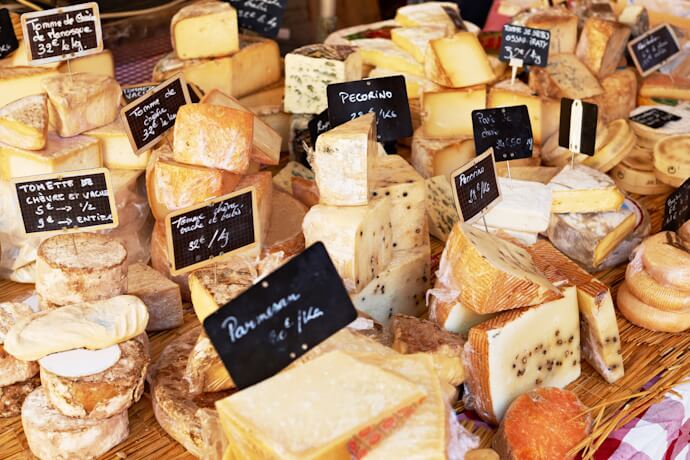
France’s cheese diversity is legendary, with over 1,200 varieties shaped by local climate, pastureland, and tradition. Traveling from region to region becomes a delicious geography lesson: Normandy leans creamy and buttery, the Alps bring mountain cheeses with real character, and the southwest loves bold, rustic flavors. Many classics are protected by quality labels like AOP, which link a cheese to a specific place and method. More than the label “made in France”, it’s made there, the proper way!
Markets and fromageries feel like daily rituals, with shopkeepers happily offering tiny tastes and pairing tips. Order a picnic with baguette, fruit, and a local wedge, and you have created a very French moment. It’s an easy, joyful way to understand place, one bite at a time.
5 - Some French Towns Have Officially “Banned” Death
In a few small French villages, local councils have playfully issued decrees “banning” death within town limits, often sparked by practical concerns like cemetery planning or administrative disputes. The aim is symbolic, of course, and that’s exactly the charm, it’s classic French civic spirit with a wink. One of the best-known examples is Cugnaux near Toulouse, where a mayor issued a tongue-in-cheek order that drew national attention. Similar headlines have popped up in tiny communes elsewhere, usually reminding everyone that even small towns can be big on personality.
For travelers exploring France off the beaten path, these stories add a delightful layer to the landscape. They hint at tight-knit communities, local politics, and a sense of humor you can feel in markets, cafés, and village conversations.
6 - The Word “Souvenir” Is Originally French
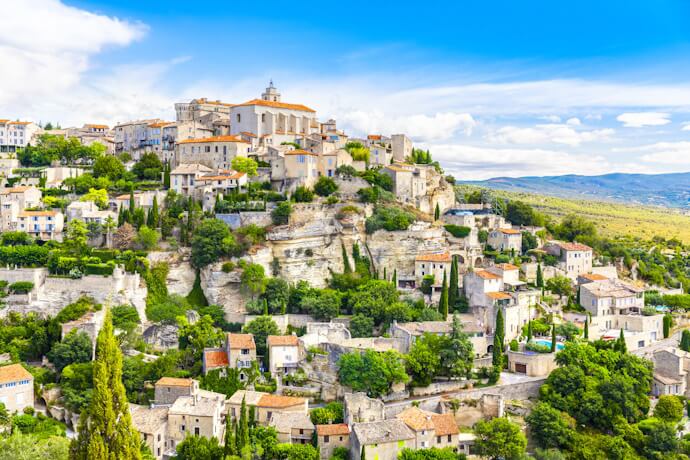
The word souvenir is originally French, coming from the verb se souvenir, meaning “to remember”. In France, the idea has always leaned toward meaning rather than quantity. A true souvenir is something that carries a place with it, a lavender sachet from Provence, a small jar of fleur de sel from the Atlantic coast, a painted tile from a village artisan, or a box of calissons from Aix-en-Provence. Many regions even have signature crafts with long histories, like pottery in Alsace or Basque linens in the southwest.
That is why markets and small boutiques feel so tempting, everything seems to have a story attached. Choosing one thoughtful item becomes part of the trip itself, and back home it sparks a memory far more vivid than a photo.
7 - You Can Find A French Village For Almost Every Profession
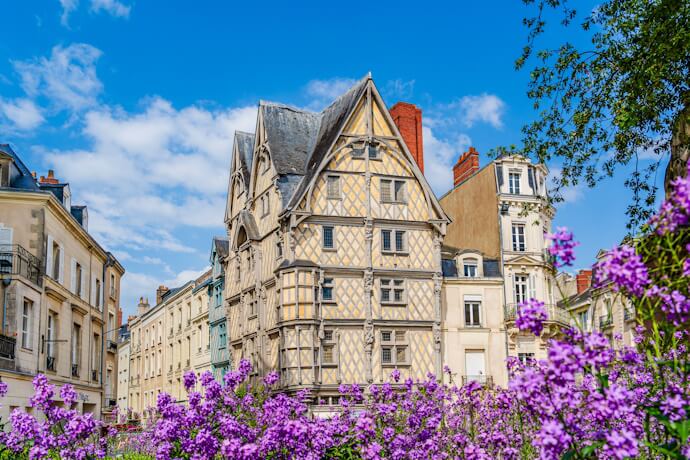
France is dotted with place names that sound like job titles, because many villages grew around a trade and proudly kept the name. La Ferrière hints at ironworking, La Boucherie points to butchers, and you will also spot names linked to mills, mines, forests, or vineyards. These names often date back to medieval times, when a craft guild or local resource shaped the town’s identity and economy.
For travelers, it becomes a fun road game. You pass a sign, read the name, and suddenly imagine the clanging of a forge or the bustle of an old market street. Next time you drive through the countryside, watch the signs; they tell stories in plain sight.
8 - Many French Cities Are Best Explored On Foot
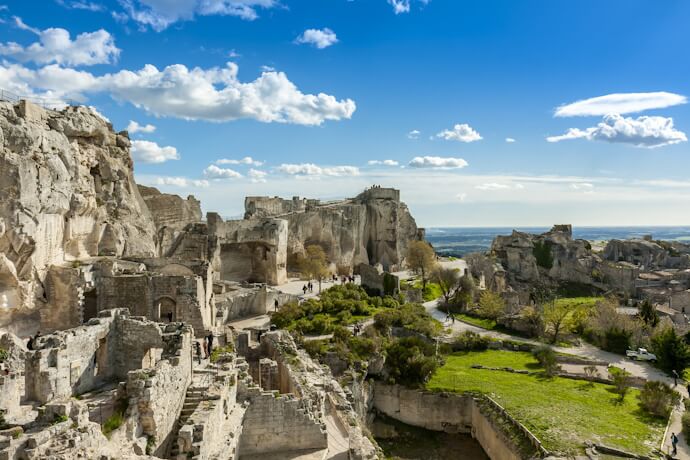
French city centers were shaped long before cars, which makes them wonderfully suited to exploring on foot. Narrow medieval lanes, lively squares, riverside quays, and elegant boulevards naturally invite slow discovery. Walking lets you catch the everyday magic, the warm scent drifting from a boulangerie, the quiet choreography of a market setting up, and the café terraces filling with morning conversation. Many cities also make it easy with pedestrian zones and scenic routes that link major sights without feeling like a mission.
Another fun detail is that plenty of towns have dedicated walking itineraries marked with little signs or plaques, so you can follow a “heritage trail” without even opening a map. Often the best memories come from unplanned moments, turning a corner, finding a hidden courtyard, and deciding to linger.
9 - Wine in France Is A Regional Language
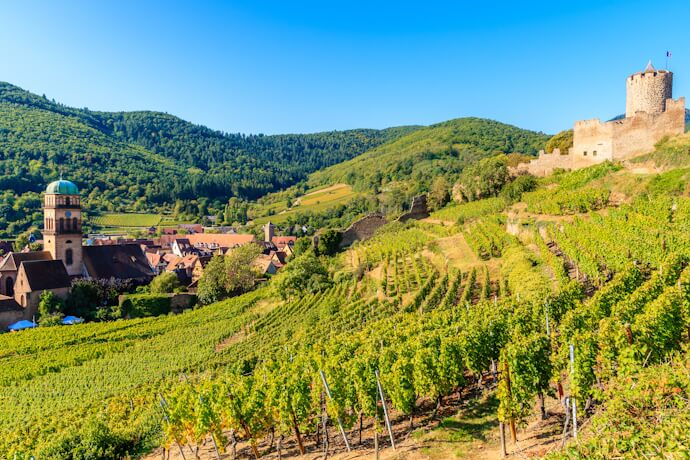
In France, wine reflects place more than brand, so a bottle is often introduced by its region before anything else. Each area has its own grapes, traditions, and time-tested rules shaped by landscape and history, which is why French wine regions and traditions feel like a regional language you get to sip.
Burgundy speaks in Pinot Noir and Chardonnay, the Loire is bright and varied, Bordeaux leans structured, and Alsace loves aromatic whites with personality. Labels often highlight the appellation, so ordering becomes a small geography lesson, and a fun one at that. In restaurants, it is common to choose a house wine by the carafe, especially at lunch, and it can be surprisingly good. Add a vineyard walk or cellar tasting, and every glass suddenly comes with a story.
10 - France Has Thousands Of Castles
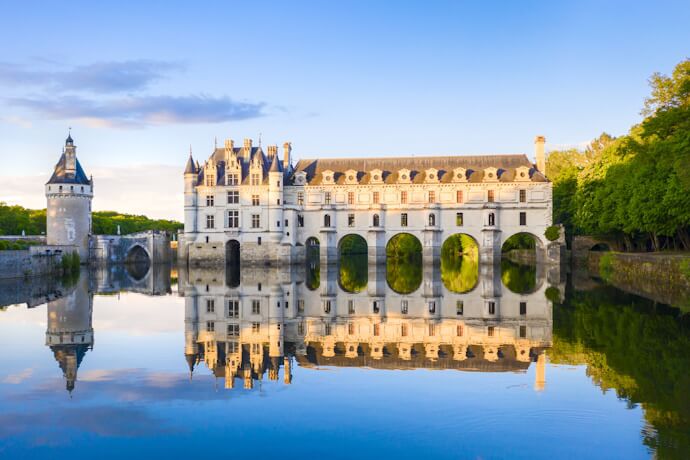
France is home to more than 40,000 châteaux, from grand royal residences to intimate countryside estates surrounded by vineyards, forests, and sleepy villages. While icons like Versailles draw the spotlight, many smaller properties feel wonderfully personal, with furnished rooms, family portraits, and gardens made for unhurried strolls. Some are still owned by the same families, which adds a lived-in warmth and a few charming quirks along the way. In the Loire Valley alone, you can hop between Renaissance masterpieces, riverside fortresses, and romantic ruins without traveling far.
Many châteaux host candlelit evenings, flower festivals, and summer concerts that bring the setting to life. Explore beyond the headline names, all at your own easy pace, and French history feels close, calm, and full of surprises.
From Fun Facts To Real Moments
France shines in the big moments, but it wins you over in the small ones. A village sign that hints at an old trade, a roundabout turned into local art, a market lunch that stretches into the afternoon. Let these fun facts be your compass, then follow curiosity at your own pace.
With TourTailors, we can shape a customized France travel itinerary that threads together your interests, comfort, and time, so the surprises feel effortless from day one, onward. France has a talent for surprising you quietly, and that is exactly what makes it unforgettable!