


We believe Lisbon rewards travelers who slow down just enough to notice the rhythm beneath the landmarks. A few well-planned days are all it takes to understand why the city feels so livable, musical, and full of flavor. When thinking about things to do in Lisbon, the key is balance: pairing iconic sights with everyday Lisbon moments, knowing when to walk, when to ride, and when to sit still with a coffee. If you do one thing before arriving, plan for a pace that leaves room for hills, views, long lunches, and late dinners. This guide focuses on the best things to do in Lisbon without trying to do everything at once. Think of it as a local’s version of what truly matters most for first-time visitors: well-paced, culturally rich, and easy to enjoy!
A Walking Tour That Sets the Scene
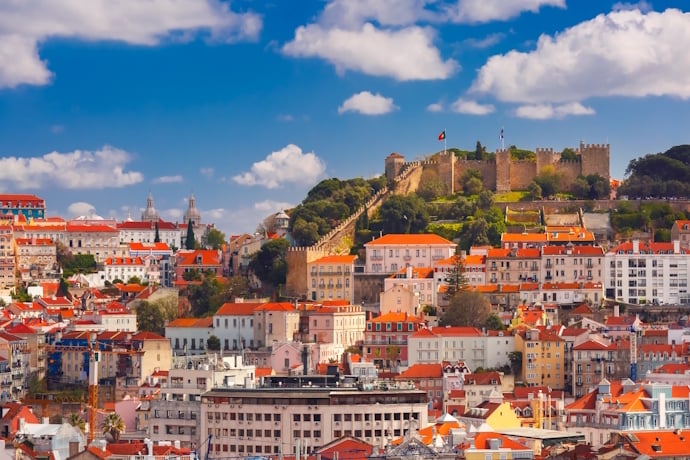
We recommend you start getting to know Lisbon through a guided walking tour that covers Baixa, Chiado, and Alfama. It gives context to what you are seeing: the earthquake history, the tiled façades, the viewpoints… and the rest of the trip feels more connected. Start early in the morning, when streets feel calmer and viewpoints are clearer. Comfortable shoes matter here. Lisbon’s beauty comes with hills and cobblestones. Walk uphill early in the day and downhill later when energy dips. Pause at viewpoints rather than rushing between them. A guide helps you understand which streets mattered historically and which cafés locals still use. It’s one of the smartest investments you can make on day one!
A Night to Remember: Fado Dinner
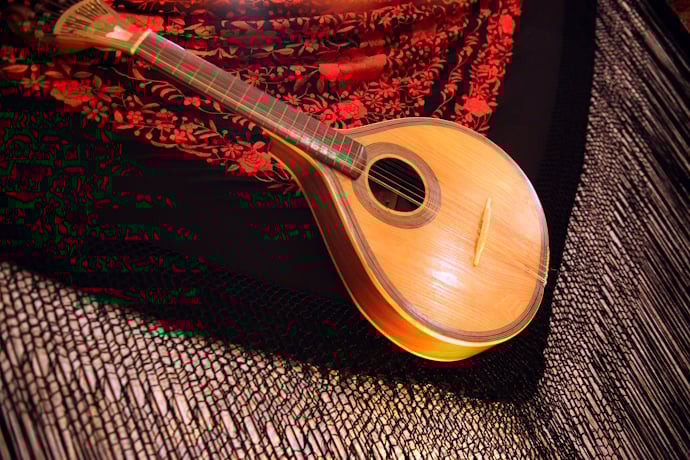
Fado is Lisbon’s emotional soundtrack, and hearing it live over dinner is an essential experience. The most authentic settings are in Alfama and parts of Bairro Alto, where small rooms and candlelight keep the focus on the music. Book ahead and plan for a late dinner, because locals usually arrive after 8:00 pm. Keep the conversation low once the singing starts; silence is part of the respect. Go with an appetite, as meals are unhurried and generous. Our tip is to let the evening unfold without checking the time. Fado nights work best when you allow space for emotion, wine, and a slow walk home through quiet streets.
Pastel de Nata: Where, When & How

A pastel de nata is best enjoyed fresh, warm, and eaten standing at the counter as locals do. Mid-morning or mid-afternoon works beautifully, when bakeries turn trays over quickly. Add a light dusting of cinnamon and powdered sugar, then eat it in two or three bites before the custard cools. Pair it with an espresso rather than a large coffee. For travelers who enjoy hands-on experiences, a pastel de nata cooking class is a fun way to understand the technique behind the flaky layers. You leave with a skill, not just a memory. It’s also a relaxed indoor activity that fits nicely between sightseeing blocks.
Museums Worth Your Time
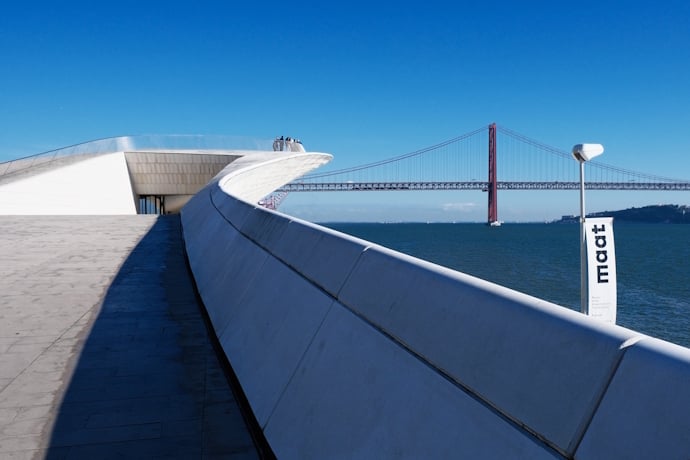
Lisbon’s museums shine when chosen selectively. MAAT blends modern design and architecture with river views, making it ideal for a relaxed late-morning visit. The Carmo Archaeological Museum tells Lisbon’s story through ruins open to the sky. Go mid-afternoon when the light filters beautifully through the arches. The Fado Museum adds depth after a live performance, helping you recognize singers, styles, and stories. The Oceanário works especially well on rainy days or slower mornings and is engaging for all ages. Check closing days in advance, arrive early when possible, and limit museum visits to one per day to keep the trip balanced and enjoyable.
What to Eat: Must-Try Foods
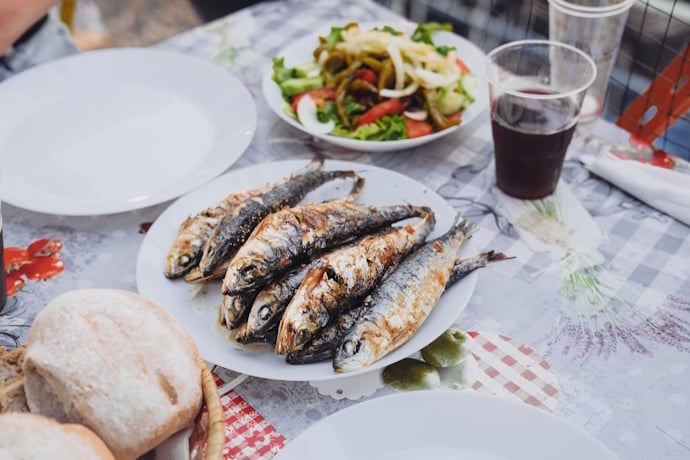
Lisbon’s food culture is simple, seasonal, and deeply satisfying. Grilled fish is central, especially sardines during summer, served with salad and boiled potatoes. Seafood rice, clams with garlic and cilantro, and octopus dishes appear often on local menus. Cheeses from across Portugal are commonly enjoyed as starters rather than desserts. Lunch is typically between 1:00 and 3:00 pm, while dinner begins after 8:00 pm. Look for places filled with conversation rather than laminated menus. Sit where locals sit, order what’s fresh, and keep meals unhurried. Pair seafood with crisp white wine or Vinho Verde for a typical Lisbon experience!

When to Go: Best Seasons
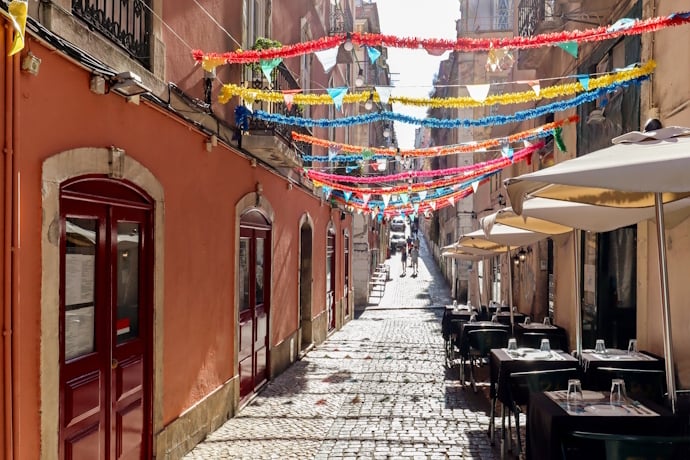
There isn’t a “best time” to visit Lisbon, only different moods throughout the year. Spring and fall offer comfortable walking weather and a more tranquil atmosphere. Summer brings long evenings, festivals, and beach energy, especially in June during the Santo António celebrations. Streets fill with music, grilled sardines, and neighborhood parties that start early and carry on joyfully. Winter feels quieter and reflective, perfect for museums, cafés, and cultural exploration. June travelers benefit from booking early and choosing accommodations either near the action or in calmer areas for rest. Step out in the early evening to enjoy festivities without crowd fatigue.
How to Get Around in Lisbon

Lisbon is wonderfully walkable once you understand its hills. Plan routes that climb early in the day and rely on transport later. The metro is clean, efficient, and easy to use for longer distances. Trams help bridge steep sections, though locals often choose less famous routes for comfort. Ticket validation matters: you must tap in every time! Instead of the famous tram 28, try walking to Alfama early or using alternative tram lines for similar views. Ride-sharing works well for evenings. A simple strategy: walk when exploring neighborhoods, ride when moving between them. That rhythm keeps energy steady and helps you experience more things to do in Lisbon at a comfortable pace.
Golden-Hour: Sunset Cruise on the Tagus

A sunset cruise on the Tagus River is low effort with high reward. The breeze cools the day, the bridges glow, and the city reveals itself from a new angle. Choose a departure time that aligns closely with sunset and head straight for the open deck. Bring a light layer, as the river wind feels refreshing year-round. This experience fits perfectly after a busy day of walking and before dinner plans. It is also a wonderful reset moment: time to sit, take photos, and appreciate Lisbon’s relationship with the water. Few experiences offer such a strong sense of place with so little planning.
Easy Day Trips That Feel Like a Whole New World
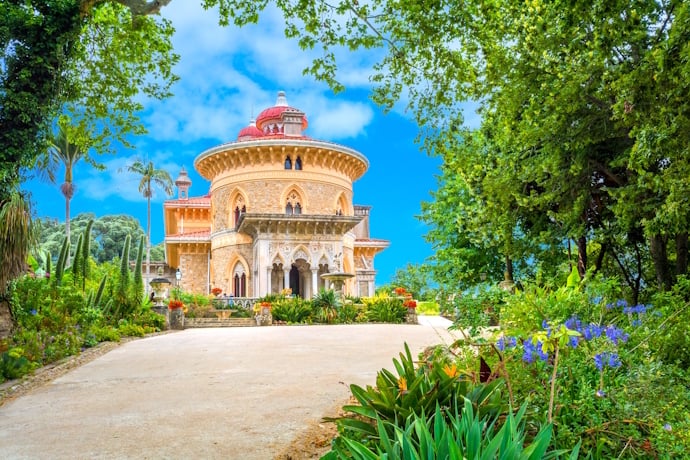
Lisbon’s location allows for excellent day trips without rushing. A day trip from Lisbon to Sintra feels romantic and otherworldly, with palaces, gardens, and forested paths. Go early and focus on one or two sites to enjoy the atmosphere fully. Cascais offers a coastal contrast: seaside walks, relaxed cafés, and an easygoing pace. Both are reachable by train and suit different moods. Choose Sintra for fairytale scenery and history, Cascais for ocean air and simplicity. Pick one per day rather than combining them. The experience feels richer when there is time to linger!
The Lisbon Insider Formula!
The best Lisbon trips follow a simple formula: start with context, build in culture, leave space for food and music, and balance effort with ease. Mix walking with transport, landmarks with neighborhoods, and planned highlights with open evenings. Understanding the best neighborhoods in Lisbon helps shape that rhythm, from historic Alfama to elegant Chiado and beyond. When you organize your things to do in Lisbon thoughtfully, the city reveals itself naturally and effortlessly. At TourTailors, we design customized Lisbon itineraries that match your pace, interests, and travel style, so you experience the city the smart way, from your first step to your final sunset!